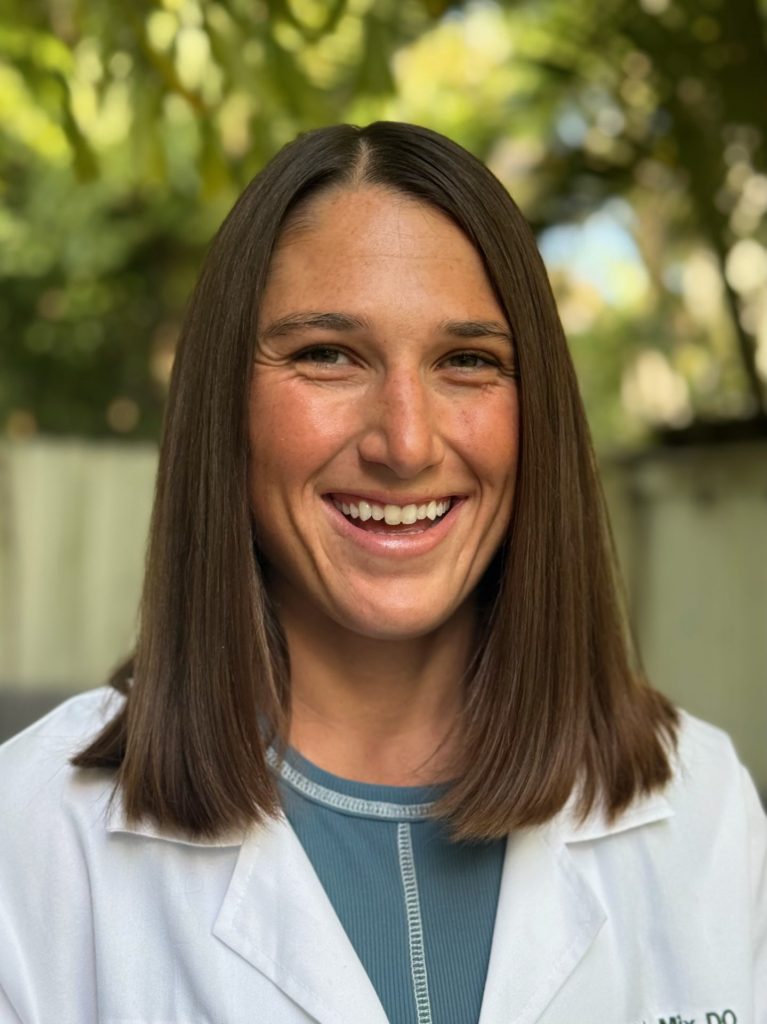
In honor of National Cancer Prevention month, we chatted with Dr. Felicia Watson who provided insight on lifestyle factors to reduce long-term cancer risk, nutrition recommendations, and advice on supporting long-term health.
Dr. Watson is Miami, Florida based fourth-year Physical Medicine & Rehabilitation resident physician with formal training in Lifestyle Medicine, pursuing dual board certification. She is passionate about integrating movement, nutrition, and other lifestyle pillars into patient care and community health. Outside of medicine, she’s an endurance and strength athlete, having competed in CrossFit, HYROX, half and full marathons, and currently training for the 70.3 Ironman World Championships in Nice and the Ironman World Championships in Kona. She believes in practicing what she preaches by living the wellness principles she teaches to her patients.
Exercise, Strength Training & Cancer Risk
F45 Training: From a medical perspective, how important are lifestyle factors like nutrition and exercise in reducing long-term cancer risk?
Dr. Watson: Very important! Many of our most common cancers like colorectal, breast, and endometrial are strongly linked to lifestyle factors such as diet, physical activity, and body weight. By prioritizing nutrition and regular exercise, we can reduce obesity and insulin resistance, which meaningfully lowers long-term cancer risk.
F45 Training: What are the biggest misconceptions you see around cancer prevention and “healthy living”?
Dr. Watson: Many people believe cancer risk is fixed by genetics alone, or bad “luck” but evidence shows that environmental and lifestyle factors play a major role in cancer development. Even with genetic susceptibility, nutrition, physical activity, and other lifestyle behaviors can substantially modify long-term cancer risk.
F45 Training: What does the research say about regular exercise and its impact on cancer risk or outcomes?
Dr. Watson: There is strong epidemiologic evidence showing regular physical activity, even modest daily activity such as walking, leads to a reduction in cancer risk. As far as outcomes, there was a meta-analysis published this past year on 1.5 million cancer patients (with either breast, lung, prostate, colorectal, or skin) showing post-diagnosis exercise was associated with significantly lower cancer-specific mortality. As a physical medicine and rehabilitation physician, I also focus on the functional outcomes of my patients with cancer. Beyond survival, exercise interventions show consistent benefits for functional and quality of life outcomes. By improving cardiorespiratory fitness and muscular strength we improve their independence with activities of daily living.
F45 Training: Is there a difference between cardio-only exercise and resistance training when it comes to overall health and disease prevention?
Dr. Watson: Both cardiovascular and strength training are critical for overall health and disease prevention. Cardiorespiratory fitness, best measured by VO2 max, is one of the strongest predictors of all cause AND cardiovascular mortality. Maintaining lean muscle mass through resistance training is independently associate with lower risk of metabolic disease, cancer, debility, and premature death.
F45 Training: Why is building and maintaining muscle important as we age—not just for aesthetics, but for metabolic and cellular health?
Dr. Watson: Skeletal muscle isn’t just for movement or aesthetics, it’s a metabolic organ. Maintaining muscle mass improves insulin sensitivity, glucose uptake, and hormone signaling while reducing chronic inflammation and metabolic disease risk. That’s not to mention the functional benefits of preserving strength, mobility and independence in daily life.
Nutrition, Muscle & Metabolic Health
F45 Training: Are there specific dietary patterns you commonly recommend for supporting long-term health and reducing chronic disease risk?
Dr. Watson: Nutrition is highly individual, so I don’t prescribe a “perfect diet”. What the strongest evidence consistently supports is a whole-food, minimally processed eating pattern- prioritizing fruits, vegetables, nuts, seeds, legumes, meat, fish, and limiting ultra-processed foods. The Mediterranean diet holds strong in research because it emphasizes these whole food principles.
F45 Training: What role does ultra-processed food play in inflammation and cancer risk, based on what we currently know?
Dr. Watson: There is a consistent association in the literature with eating high amounts of ultra-processed foods (packaged snacks, sugary drinks, breakfast cereals) for increased risk of several cancers.
F45 Training: Is it more important to focus on what we add to our diet rather than what we restrict?
Dr. Watson: I encourage my patients to shift their mindset away from “dieting” or restricting foods, which often feels temporary and unsustainable. Instead, I focus on nutrition as a lifestyle, a way of eating that supports and nourishes the body. Rather than thinking about what to cut out, I want our focus to be on eating real, whole foods. This positive lifestyle approach is more sustainable.
Overall Wellness Advice
F45 Training: If someone works out regularly but hasn’t focused much on nutrition, what’s the first realistic change you’d recommend?
Dr. Watson: My initial nutrition intervention is tailored to each patient, but I always start by emphasizing the importance of eating real, whole foods. These foods are nutrient-dense and more satisfying, which helps reduce unnecessary snacking. If switching to whole foods feels overwhelming, I ask patients to describe a typical day of eating, then we identify one simple, achievable change, often swapping or adding a nutritious whole food they enjoy into a meal. Although I don’t like to frame the conversation in a way of restriction, I do like to educate about processed foods and drinks such as soda/pop if they list them in their typical daily diet. I often find patients are not aware of the level of processing or caloric contents of certain foods and beverages and when they are educated, they easily can go without them.
F45 Training: What’s one small, sustainable habit people could start today that would have the biggest impact on their health 10 years from now?
Dr. Watson: Daily movement, such as walking for 15 minutes. This can boost cardiovascular health, support metabolic function, and help maintain mobility as we age. Beyond the physical benefits daily movement such as walking helps clear the mind, reduces stress, and can improve mood and mental well-being. Plus, walking with others adds a social connection, another powerful factor for long-term health. It’s a simple multi-faceted habit that touches almost every aspect of wellness.
F45 Training: How do you personally think about movement, nutrition, and longevity in your own life?
Dr. Watson: My health is my non-negotiable. Movement and nutrition are my lifestyle. My number one value in my life is my health because without it, I can’t show up fully as a wife, daughter, friend, or doctor. Life can get stressful and busy, but I rarely neglect my workouts or healthy eating because maintaining my well-being is what I prioritize most.
F45 Training: If you could recommend just three evidence-based lifestyle habits that most positively impact long-term health, what would they be—and why?
Dr. Watson: Aerobic training (whether swimming, biking, or running), strength training, and maintaining strong social connections are three of the most important factors positively linked to long-term health. I’ve made it a daily habit to engage in some form of aerobic activity, whether it’s a structured workout or simply walking my dog with my husband. I strength train 2 to 4 times a week, either through CrossFit or my own programming. Equally important, I’m intentional about spending quality time with loved ones/friends and family. I’ve been fortunate to build an incredible community here in Miami where I can combine social connection with both aerobic and strength training.
To learn more about Battle Cancer visit https://www.battlecancerprogram.com/