At its core, the human body is always trying to do one thing: stay balanced.
That balance is known as homeostasis—the body’s ability to regulate internal conditions like temperature, heart rate, hormones, blood sugar, and stress levels, even as the environment and demands around us change. Training, recovery, sleep, nutrition, and stress all push and pull against this equilibrium. The better your body adapts, the stronger and more resilient you become.
Exercise doesn’t disrupt homeostasis by accident. It does so on purpose.
What Is Homeostasis?
Homeostasis is the body’s built-in survival mechanism. When something moves out of range—your heart rate spikes, cortisol rises, body temperature increases—your nervous system and hormones step in to bring things back to baseline.
Think of it like a thermostat:
- Too cold → heat turns on
- Too hot → cooling kicks in
Training challenges that system. Recovery rebuilds it stronger.
This cycle—stress, adaptation, balance—is the foundation of fitness.
Exercise as a Controlled Stressor
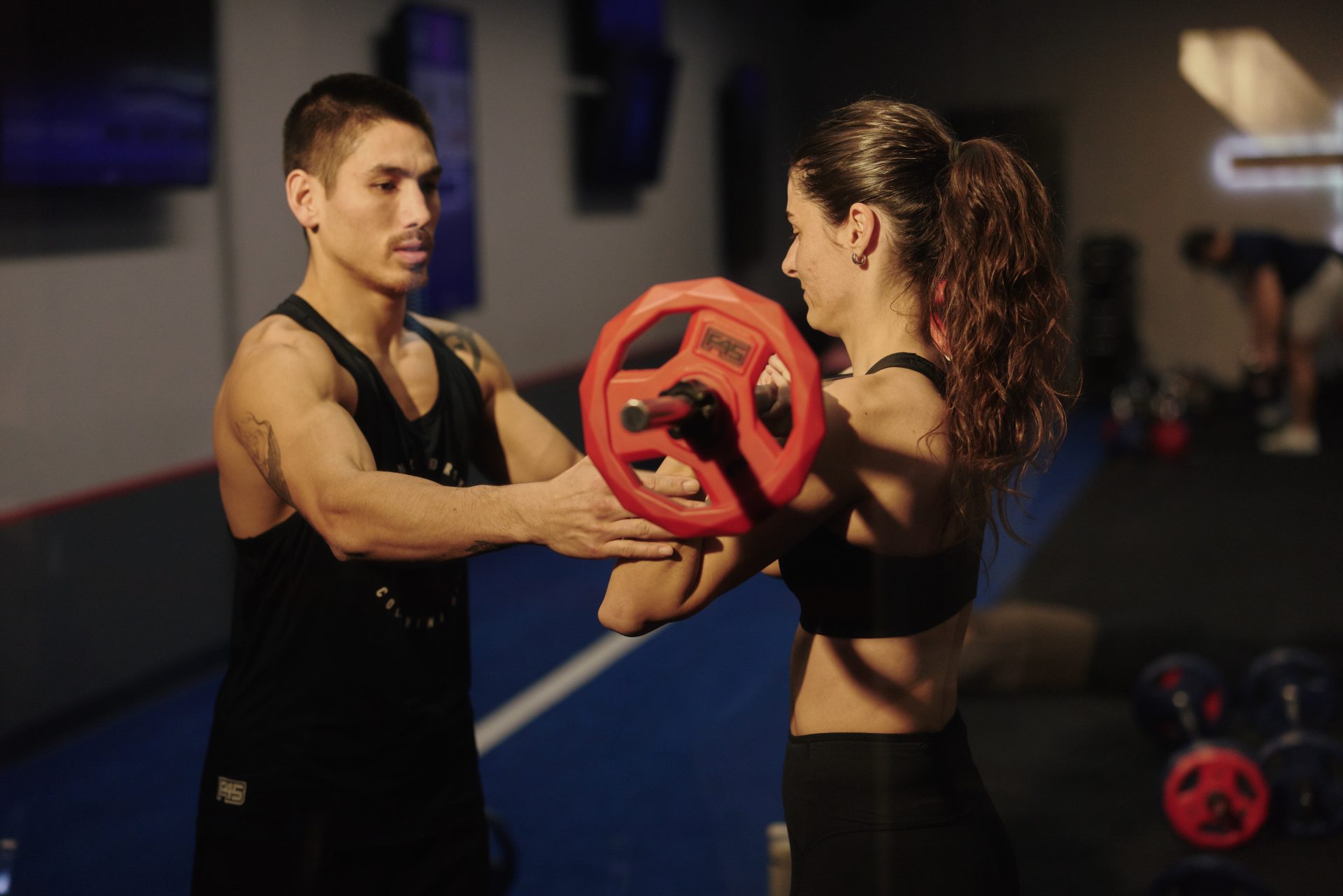
When you train—especially in high-intensity, functional workouts like F45—you’re intentionally stressing the body:
- Muscles experience micro-tears
- Heart rate elevates
- Oxygen demand increases
- Stress hormones like cortisol and adrenaline rise
In the moment, you’re temporarily pushing away from homeostasis. Afterward, during recovery, your body works to restore balance—and adapts so it can handle that stress better next time. That’s how endurance improves, strength increases, and metabolic health evolves.
But there’s another side effect many people chase without fully understanding it:
Runner’s high.
What Is Runner’s High?
Runner’s high is a euphoric, calm, almost floaty feeling that can happen during or after sustained exercise. While it’s often associated with long-distance running, it can occur during any prolonged or intense physical activity.
For years, scientists believed runner’s high was caused solely by endorphins—the body’s natural painkillers. Endorphins do play a role, but research now shows they aren’t the whole story¹.
The real star? Endocannabinoids¹.
The Science Behind Homeostasis
Endocannabinoids are neurotransmitters produced by your body that bind to the same receptors as compounds found in cannabis—without the impairment. During sustained exercise, levels of endocannabinoids like anandamide increase.
These compounds:
- Reduce pain perception
- Lower anxiety
- Improve mood
- Create feelings of calm, focus, and pleasure¹
Unlike endorphins, endocannabinoids can cross the blood-brain barrier easily, which helps explain the mental clarity and emotional lift people feel¹.
In other words, runner’s high isn’t random—it’s your body rewarding you for restoring balance under stress.
Homeostasis, Mood, and Mental Resilience
This is where the connection between homeostasis and runner’s high becomes powerful.
Exercise temporarily disrupts equilibrium. The nervous system responds. Neurochemicals are released. Balance is restored at a higher level of capacity. Over time, this process:
- Improves stress tolerance
- Enhances emotional regulation
- Supports better sleep
- Builds mental resilience²
You’re not just training muscles—you’re training your nervous system.
Why This Matters for Functional Training
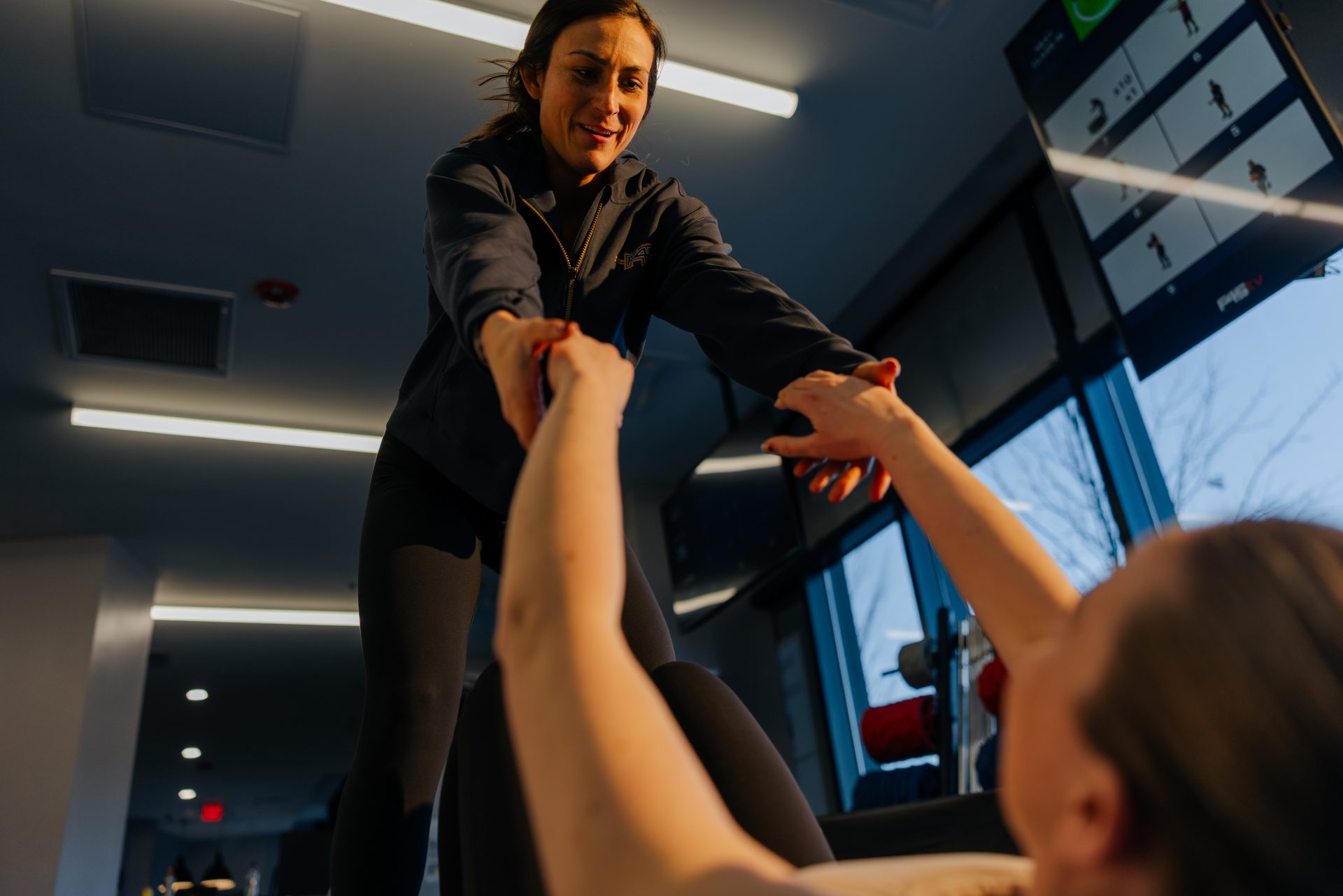
High-intensity functional training, like F45, is uniquely effective because it challenges multiple systems at once:
- Cardiovascular
- Musculoskeletal
- Neurological
- Metabolic
The variety, intervals, and team-based energy push the body to adapt quickly—while still allowing for recovery windows that support homeostasis rather than burnout.
This balance between intensity and recovery is where progress lives.
Measuring Balance in Real Time
Modern wearable technology allows us to see what used to be invisible.
Tools like the Reebok Smart Ring help track markers closely tied to homeostasis, including:
- Resting heart rate
- Heart rate variability (HRV)
- Sleep quality
- Recovery readiness
HRV in particular is a powerful signal of nervous system balance. Higher HRV generally reflects better adaptability to stress—both physical and mental. When HRV drops, it’s often a sign the body needs recovery, not more intensity.
Instead of guessing how your body feels, you can measure it.
Training Smarter, Not Harder
Runner’s high isn’t just a feel-good bonus—it’s feedback. It signals that your body is managing stress efficiently and restoring balance well.
By combining intelligent training, like F45 , proper recovery, and real-time biometric data, via the Reebok Smart Ring, athletes can:
- Optimize performance
- Avoid overtraining
- Support long-term hormonal and nervous system health
- Train in alignment with their physiology
The goal isn’t to chase exhaustion—it’s to build resilience.
Homeostasis is the body’s quiet superpower. Runner’s high is one of its rewards.
When you train with intention, recover with purpose, and listen to the signals your body provides, you don’t just get fitter—you get more balanced, focused, and resilient.
That’s not luck.
That’s science working in your favor.
To shop the Reebok Smart Ring visit https://www.reeboksmartring.com/pages/reebok-smart-ring-f45
Sources: