Improving your body composition is more than a fitness goal – it’s a powerful commitment to becoming stronger, leaner, and more energized.
When starting a weight loss management plan, your first instinct may be to eat less – and in some situations, this can work. But it might surprise you to learn that one of the most effective strategies to elevate your body is to actually eat more to lose weight.
Read on to explore why eating more can support a sustainable fitness routine, how to spot the signs you’re not eating enough, and practical ways to boost your intake.

How eating more helps you lose weight
When you fuel your body with enough macronutrients – such as protein, carbs and healthy fats – you build more lean muscle and burn more energy, resulting in gradual and sustained weight loss. Eating more (also known as ‘volume eating’ also supports your overall wellbeing by making the most of the connection between hormones and weight loss – helping you feel more balanced and settled in life.
Volume eating allows you to consume your normal volume of food without taking in a large number of calories at the same time. This way of eating is largely about the energy density of food. In other words, does the food or drink have high energy density (high in calories), or is it low in energy density (low in calories)? This means that, for the same weight, the number of calories in food varies depending on the type of food and the makeup of macronutrients. During Regular Season, we discussed macronutrients in detail and the fact that fat is double the energy density per gram, compared to carbohydrate and protein.
Here is an example of how the macronutrient composition of a food impacts the energy density for the same volume: 1 cup of vegetables contains 100-350kJ, whereas 1 cup of milk contains 500-600kJ. This does not mean you should be eating only vegetables, but adding some fruit and vegetables to bulk out the volume of your meals can reduce the energy density of a meal, while keeping you satisfied. The other reason this is helpful is because our stomach has the same capacity, or volume of space to hold food, regardless of the food we actually eat. This means the amount of food we need to feel full is based on the volume of food we eat, rather than energy of the food. This is why filling up on low energy-dense foods like vegetables (which have a high water and fiber content) helps us feel satisfied and lose fat.
Focusing on volume eating is a game-changer when it comes to meeting your nutrition and body composition goals. Instead of thinking you can only eat small amounts of food, it’s all about tailoring the way you fill your plate to suit your requirements. This is a much more positive way to look at eating—it is flipping a scarcity food mindset to one of abundance. This new, positive mindset will not only prevent you from being left hungry, but it will also prevent you from feeling deprived from the foods you love. The good thing about volume eating is it allows you to enjoy the thing you love, like pizza with your friends, while still meeting your nutrition goals. A great example here is rather than eating a whole pizza (a meal which is often energy dense), you could enjoy a slice or two with a large salad on the side. By filling up half your plate with salad or vegetables, you still get to enjoy your pizza and you won’t be left hungry afterwards.
The benefits of eating more
Eating more supports your lean muscle and metabolism so you can perform at your best. When you give your body the nutrients it needs, you’re supporting the key systems that drive your strength, endurance and recovery.
Keep reading to unlock the benefits of eating more.
Activates your metabolism
By eating enough food, you activate your metabolism: which gives your body what it needs to train harder, recover faster, and torch those calories. Specifically, you should eat more protein to lose weight, as your body uses more calories to break down protein, which is then used to develop lean muscle¹.
Improves muscle recovery
Training is where you put the work in, but it’s during recovery when your body develops. By eating enough – especially protein and carbs – you fuel your muscle and metabolism, giving your muscles the nutrients they need to repair, rebuild and grow.
Plus, if you don’t eat enough, you’re more likely to experience delayed onset muscle soreness, which can affect your performance in your next workout.
Replenishes cardio stores
Every time you smash a cardio workout, your body uses your glycogen stores to give you quick energy. By eating more to lose weight, you can refill your energy reserves – enabling you to show up confidently to every session.
Here, carbs are your best friend. And, if you want to further optimize your fitness, we suggest considering carb cycling – which involves adjusting your intake based on how much you’re training.
Prevents calorie-dense eating
By eating more, you keep your energy steady, your hunger in check, and your mindset strong. When you don’t eat enough during the day, your body looks for a quick fix later. Late night cravings or energy crashes tempt you to reach for high-calorie snacks, derailing your weight loss goals.
Enhances your energy
When you give your body the right nutrients in the right amounts, you boost your physical energy and mental focus. Eating more to lose weight maximizes your output in high intensity resistance workouts, so you become leaner – faster.
5 signs you should eat more
Your body will tell you when it needs something: be that more food, more water, or simply a good night’s rest.
If your body is trying to let you know that it needs more food, there are several telltale signs – we’ve listed five below.
1. You’re constantly hungry
If you’re always craving your next meal, you’re either not eating enough or need to change up the food you’re eating. We recommend eating more fruit, vegetables and complex carbs – such as oats, sweet potato, and brown rice – as they break down slowly, keeping you satiated for longer.
2. You’re always tired
If you’re always tired – even when you’re getting enough sleep and are taking regular rest days – the first place to look is your diet.
You need a steady stream of nutrients to maintain energy throughout the day, especially if you’re training. Learning how to lose weight by eating more protein can reduce fatigue, boost your concentration levels, and improve your overall wellbeing².
3. Your mood shifts a lot
Eating more to lose weight benefits more than lean muscle – it feeds your brain and stabilizes your hormones³. Without proper nourishment, your blood sugar can crash – leaving you feeling more stressed, and more likely to reach for high-calorie foods4.
4. You’re struggling to work out
If you run out of steam fast during workouts, a lack of proper pre- and post-workout nutrition could be the reason. So, if you get tired quickly during exercise, get more protein and complex carbs in beforehand (and afterwards) to improve your endurance and recovery.
5. You’re dizzy
When you under-eat, it can affect your brain and nervous system – making you feel dizzy, weak, and even nauseous5. If you are feeling dizzy a lot, we recommend seeing a medical professional to check for other possible causes.
4 tips to eat more
Weight loss is partly discipline – but it’s mostly about organization. Here are four practical tips to improve your body composition, muscle and metabolism.
1. Meal prep
Preparing your meals in advance helps you maintain the amount you’re eating, and ensures you’ve always got something easy to eat when life gets busy.
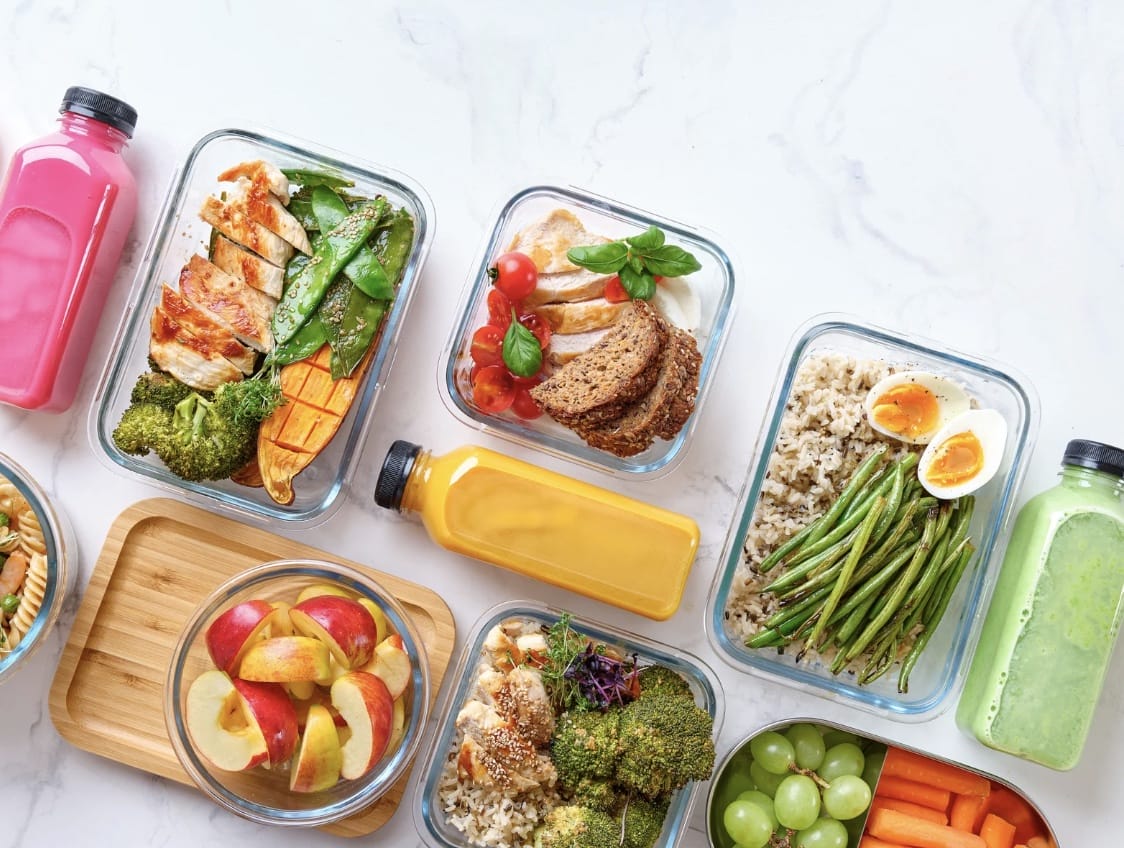
To meal prep for the week, focus on prepping a mix of protein, complex carbs, and healthy fats. Simply batch-cook a healthy dish once or twice a week, portion out the meals for the next few days, and store them in the fridge or freezer.
2. Eat easily digestible food
To reduce bloating, try these easily digestible options:
Vegetables: zucchini, cucumber, spinach, bell peppers.
Fruits: bananas, blueberries, strawberries, pineapple.
Grains and starches: quinoa, oats, potatoes, rice noodles.
Lean protein: eggs, chicken breast, turkey, tofu, white fish.
3. Eat a balanced diet
A balanced diet is key in supporting your training and weight loss goals. Aim for a mix of macro and micronutrients to support your body on multiple fronts. In this way, eating more protein to lose weight can help you stay satisfied, prevent injury, and keep your metabolism going strong.
4. Focus on hydration
While it is often forgotten, hydration plays an important part in fat loss. Our bodies are approximately 60% water, which is why hydration is essential to keep us functioning at our best. Plus, dehydration can often be mistaken for hunger and lead to overeating. A good tip in deciding if you’re hungry or just dehydrated is having a glass of water and waiting 15 minutes. If you are still hungry, then go ahead and have something to eat—if not, it’s likely you just need some water. Drinking water with your meals can also help to fill you up and decrease your overall caloric intake.
Eating for fat loss: 4 nutrition pillars to consider
While the term ‘weight loss’ gets thrown around a lot, it is generally fat loss that people want. Striving for fat loss allows you to maintain lean muscle mass and performance while losing weight.
From an evolutionary standpoint, our body is actually programmed to resist fat loss—our body fat reserves are the most energy-rich and will keep us alive if we ever lose access to food. To lose fat, we can override these systems, but we need to be strategic with our nutrition and training. A variety of factors come into play here, including: the rate at which you lose weight, what type of training you do, what you eat, and when you eat.
When it comes to optimizing fat loss, there are four key nutrition pillars to consider. Read on to find out about the types of food you should be including in your diet.
1. Protein
Protein is essential in all things body transformation and weight management. Protein keeps you feeling full after your meals, which can help you to stick to your nutrition plan. Protein forms the building blocks of our muscles and is the main nutrient involved in triggering muscle protein synthesis, which is the pathway involved in gaining and maintaining lean mass. As a result, consuming adequate amounts of protein consistently throughout the day helps us to build lean muscle. Additionally, protein has a ‘high thermic effect of food’ (TEF). This means that there are a large number of calories burned when digesting the protein in the food we eat, relative to all other macronutrients.
2. Fiber
Fiber is another nutrient that plays a key role in fat loss. Fiber adds bulk to your meals, which both fills you up more quickly and keeps you satisfied for hours. It is through both of these mechanisms that fiber helps to reduce your overall food intake without leaving you feeling hungry. Fiber-rich foods are really a secret fat loss weapon!
3. Color
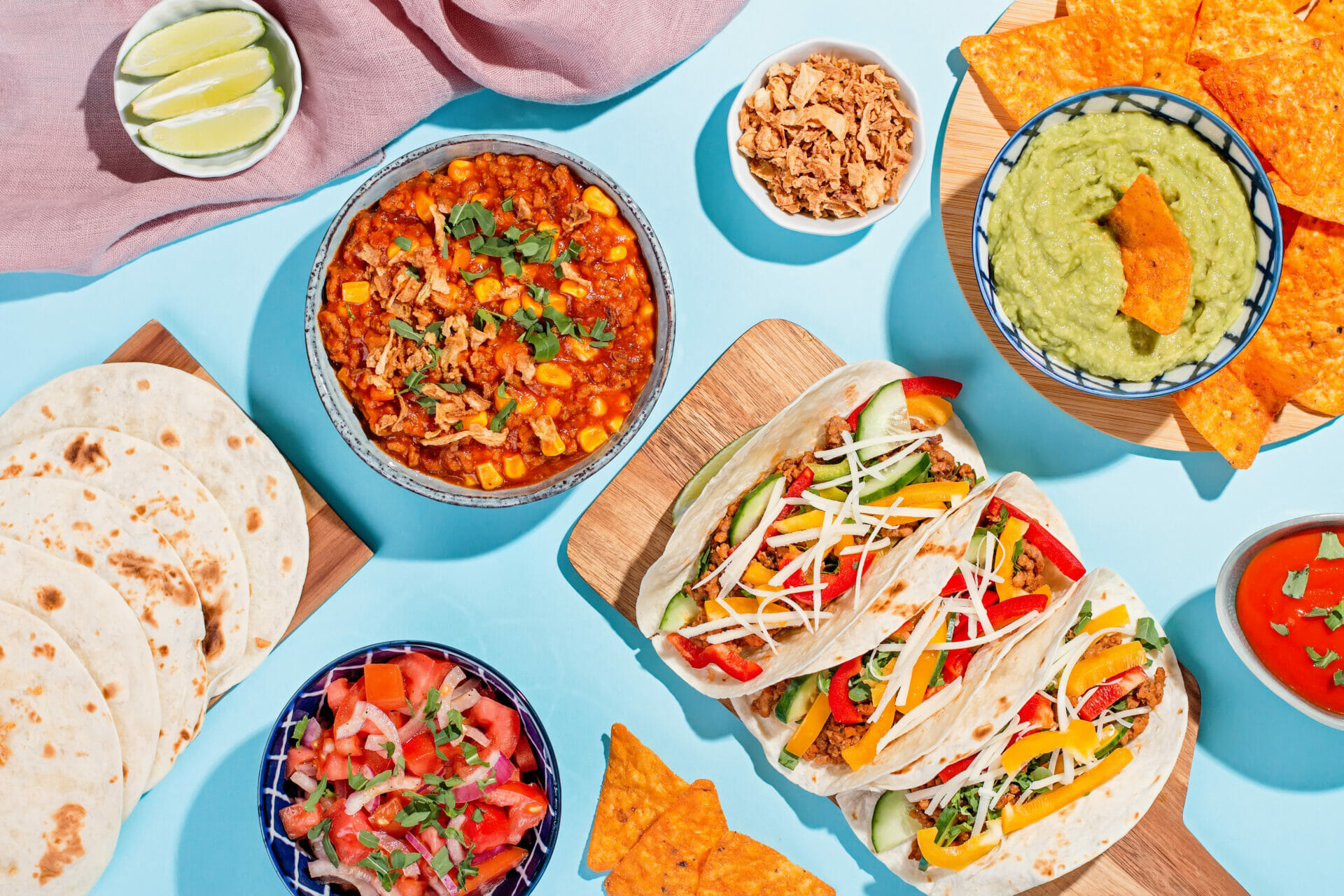
Eating the rainbow is not only important for our gut health; it is also key for fat loss. Fruits and vegetables are generally high in water, fiber and micronutrients. Micronutrients—specifically, vitamins and minerals—have many different functions in our body, but contribute no energy (unlike macros, which contribute both a function and an energy value). This means that fruits and vegetables typically have a low energy density, allowing you to consume large volumes without also taking in a large number of calories.
Did you know that only 8% of Australians and 9% of Americans eat the recommended amount of fruit and vegetables each day? For our overall health and wellbeing, we should be aiming for two servings of fruit and five servings of vegetables a day. One serving of fruit is 150g, which is equivalent to one medium apple or 2 small plums. One serving of vegetables is 75g, equivalent to 1 cup of raw salad vegetables or ½ cup cooked vegetables.
4. Healthy fats
The final nutrition pillar to consider for fat loss is healthy fats. These are found in foods such as avocado, nuts, seeds and extra virgin olive oil. Healthy fats help to keep you feeling full between meals, just as fiber and protein do. This can help to reduce your overall intake since you won’t be left hungry and overeat at your next meal. The one thing to consider when consuming healthy fats is your portion sizes, because fats contain the highest energy value per gram compared to carbohydrates and protein. So, while fats can help to keep you full, be mindful not to overdo it.
Volume eating: why there’s no ‘one-size-fits-all’ approach
Now, it is important to note that there is not a one-size-fits-all approach when it comes to volume eating. Your ideal food ratios will depend on your goals – whether that’s fat loss, maintenance, or fuelling performance. Volume eating also pairs well with the idea of nutrition by addition – focusing on what you can add to your plate (like fibre-rich veggies or lean protein) rather than what you need to cut out. The makeup of your meals will naturally shift depending on how active you are and whether you’re aiming to maintain or lose weight.
For example, an active person looking to maintain his or her weight or build lean muscle may have a plate which consists of more energy-dense foods. On the other hand, if weight loss is your goal, your plate may consist of fewer energy-dense foods and a larger amount of lower energy foods. While the volume of food consumed will be similar between individuals, the number of kilojoules you consume will vary depending on your nutrition goals.
By eating more to lose weight, you nourish your body – and fire up your results. Next, learn what endorphins are and how you can boost them.
1 https://pmc.ncbi.nlm.nih.gov/articles/PMC7539343/
2 https://pmc.ncbi.nlm.nih.gov/articles/PMC7469059/
3 https://www.ncbi.nlm.nih.gov/books/NBK555906/
4 https://pmc.ncbi.nlm.nih.gov/articles/PMC7322666/
5 https://pmc.ncbi.nlm.nih.gov/articles/PMC10534566/