Welcome to Volume 8 of F45 Training’s Fact or Fiction: Nutrition series, where we take common food and fitness beliefs and break them down into practical, evidence-informed advice. With guidance from registered dietitian Ashleigh Kidd, each edition is designed to help you build sustainable habits, fuel your training and make more confident nutrition choices during Challenge and beyond.
In this edition, we’re exploring whether skipping meals to “save” calories is really a balanced approach, why eating after a workout can support recovery, and how to build healthy, satisfying snacks for busy days, long shifts or time on the go.
Let’s separate the helpful habits from the common misconceptions.
“You need to eat three meals a day”
Fiction!
If you’re reading this you’re either thinking “Of course! I would be starving if not!” Or you might be thinking “No, I regularly skip (insert meal here)”. Regardless of your answer, we’re going to take a dive into each of these patterns and how they affect how we feel daily and over time.
With different fasting methods, and intense food/calorie restriction typically being doted on as the right and familiar answer to achieving your health goals, there can be some confusion on which approach to take.
So, do you have to eat three meals a day? The short answer is no….you don’t have to. However, the vast majority of people feel their best having three meals a day, eating about every 3-4 hours (+ snacks when needed). If you are looking for a small step to improve your nutrition, I highly recommend you starting here.
What happens when we skip meals or under-fuel, you ask?
- Feeling out of control around food. Do you ever get home from work and feel like you’re grabbing for everything but the kitchen sink? When you don’t eat enough during the day, it’s highly likely when you finally get around food you’re going to feel quite out of control. You’ve passed “I could eat” and it’s more like “IM STARVING”. When this happens, you’ll likely overeat because your hunger cues are a bit out of whack and you don’t have time to slow down and mindfully prepare a meal or snack. Eating enough during the day, consistently, can help with this out of control feeling.
- Lack of energy. Are you hitting that 2-3pm slump? Eating consistently throughout the day, making sure that you’re eating enough, and getting a variety of macro and micronutrients at your meals are key.
- Increased thoughts about food. When we are under-fueled, skip meals, or perhaps cut out on certain macronutrients or foods, you can almost always bet on having increased thoughts about those foods. Always thinking of what you’re going to eat next, or maybe what foods or meals you have “off-limits”. It may seem the most “normal” to skip and cut foods out to reach your health goals because that’s likely what you grew up hearing from family, friends, and media. But in reality, this only harms your relationship with food and doesn’t serve you physically or mentally. Fueling your body, having a positive relationship with food, and reaching your health goals can all co-exist.
“Eating within an hour after a workout aids in recovery”
Fact!
After a workout, it’s time to get some carbs and protein in! Aim to have a balanced meal rich in protein and fiber within 60 minutes of ending your workouts, especially if it’s a resistance workout. i.e. egg and black bean tacos with sautéed kale.
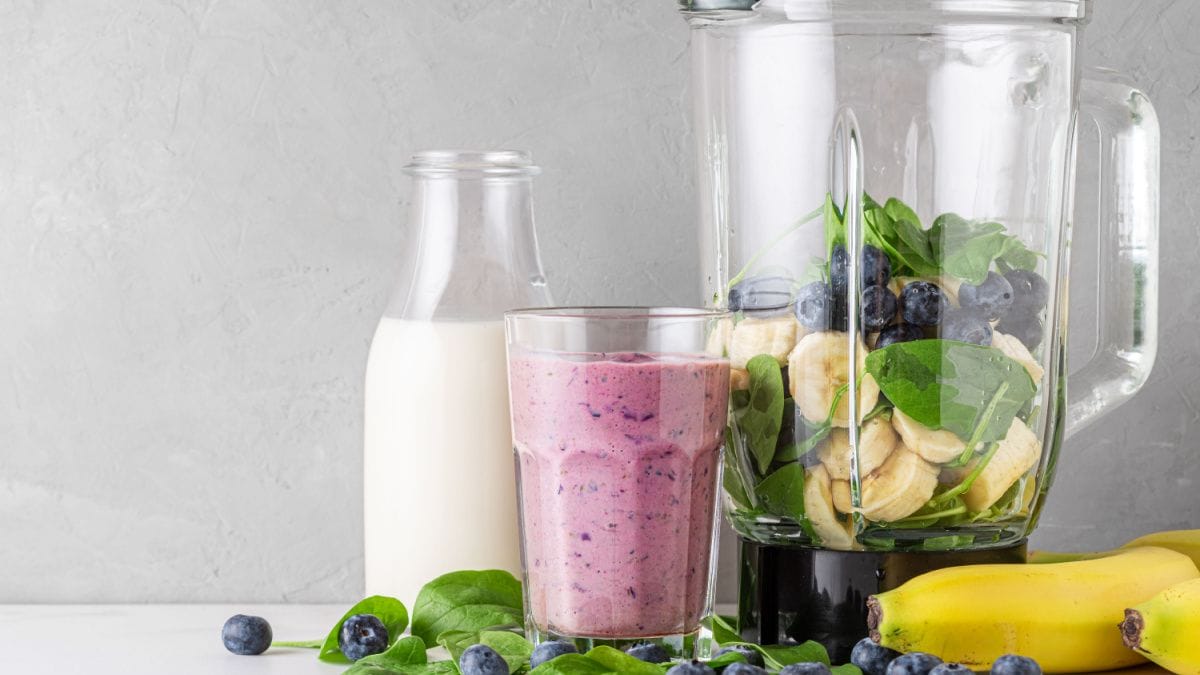
If you’re unable to have a full meal within an hour of working out, go for a carbohydrate-rich snack (i.e. banana, milk, yogurt, or post-workout protein shake).
“It’s impossible to have healthy snacks on the go or during a long work shift”
Fiction!
When choosing a snack, you want to pair a fiber source with a protein and/or fat source. This is the key to sustained energy and keeping you full and satisfied between meal times. (Check out our in-depth article on snacking for a whole list of balanced snack ideas – and for some advice on how to curb those late-night sugar cravings!)
For long car trips or if your work place doesn’t have a fridge, try these combos:
- Crackers + nut butter
- Pumpkin seeds + pear
- Banana + pistachios
- Tuna + crackers
- Nuts + dried fruit
- Crunchy chickpeas or broad beans + clementine
“Convenience foods don’t belong in a healthy diet, and should be avoided”
Fiction!
Convenience foods (read: processed foods) and nutrition in the same sentence? Yes! You read that right. The first thing you probably think of when hearing “processed food” is chips, cookies, candies, cakes, etc. (and these foods CAN be enjoyed mindfully), but processed foods aren’t only those foods. So let’s start here: what is processed food?
According to the Department of Agriculture, processed foods are any raw agricultural commodities that have been washed, cleaned, milled, cut, chopped, heated, pasteurized, blanched, cooked, canned, frozen, dried, dehydrated, mixed or packaged — basically anything done to them that alters their natural state. This means even an organic apple is processed once you cut it into slices.
Processed & convenience get a bad rap, but the truth is they can be nutrient dense AND make your life easier. They can be a great way to help you balance your meals (like frozen veggies), get some protein in (like canned tuna or beans), or nourish your body when you’re pinched for time (frozen waffles with peanut butter, ready in less than 5 minutes!).
I’m not recommending that you eat heavily processed foods at every meal, choosing minimally processed foods most of the time is recommended. BUT having convenience foods on hand can actually make it easier to achieve your nutrition goals and balance your plate.
Here are some staple “convenience” foods to keep on hand to make balanced meals and snacks easier for your day to day:
- Frozen produce – Great for smoothies or to top on oatmeal.
- Canned tuna – Easy source of protein.
- Canned beans – Fiber and protein- great for salads.
- Salad kits – Perfect for when you haven’t prepped veggies for the week.
- Frozen protein waffles – When you don’t have time for breakfast, top with PB and fruit.
- Pasta – Whole wheat and lentil options are great for a little more protein and fiber.
- Peanut butter – Easy fat source with some protein to stir into yogurt.
- String cheese – Quick fat and protein source, pair with whole grain crackers or fruit.
- Ready to serve quinoa/rice – When you don’t have time to cook your grain, pop these in the microwave for a carbohydrate to balance out your meal.
Keeping these foods on hand for when you’re running low on time can help you to build sustainable nutrition habits. Make sure to check out our guide to how to build a balanced and satisfying plate to learn more about how to make your meals nutritious and delicious to feel your best. Pro tip: convenience foods can fit into your balanced meals to save you time during the week!
Ready for more nutrition myth-busting? Continue to Volume 9 of F45 Training’s Fact or Fiction: Nutrition series, where registered dietitian Ashleigh Kidd explores meal prepping, fasted cardio and what sugar cravings can tell you about your routine.