We often think of fat loss as an energy deficit. Specifically, energy consumption (calories consumed) must be lower than calories utilized during a workout (calories burned). The emphasis of calorie restriction for fat loss has typically been promoted through traditional dieting.
However, the problem with focusing solely on food quantity is that quality nutrient consumption often gets overlooked. Less value is placed on understanding the difference between high and low-quality macronutrients. This can lead to a yo-yo style eating pattern, characterized by temporary weight loss and subsequent weight gain soon after.
Therefore, understanding food quality requires both recognizing the nutrients that our body needs to optimize fat burning and avoiding those that lead to unhealthy eating habits. Yes, food quantity and training are key factors in the fat loss equation. However, if sustained fat loss is the goal, it’s imperative to incorporate nutrient-dense whole foods while eliminating processed forms (in addition to portion control and regular training).
For example, the liver plays a key role in whole-body detoxification, along with the metabolism of proteins, carbohydrates, and fats. Without quality nutrient consumption, the liver cannot efficiently regulate the metabolism of fat.
In this guide, explore our three top tips for understanding the foods we need to incorporate (and eliminate) for sustainable fat loss. We’ll also cover how functional movement and HIIT burn calories, in addition to advice on how to adjust your calorie intake to fit your workout regime.
Tip 1: Your first meal of the day should include a quality protein source
Protein is proven to enhance the body’s fat burning capability by contributing to feelings of fullness throughout the day. Additionally, research has found that incorporating quality sources of protein in the morning and throughout the day—such as egg whites, beans, or nuts—can enhance the rate at which the body burns calories [3]. This metabolic boost is due to the ‘thermic effect of food,’ or a temporary boost in metabolism due to processing and storing of macronutrients. Protein-rich foods tend to have the greatest influence on this thermic effect. One study showed that protein had almost two times the thermic effect of carbs or fat [3].
Tip 2: Incorporate plenty of fiber-rich foods to curb cravings
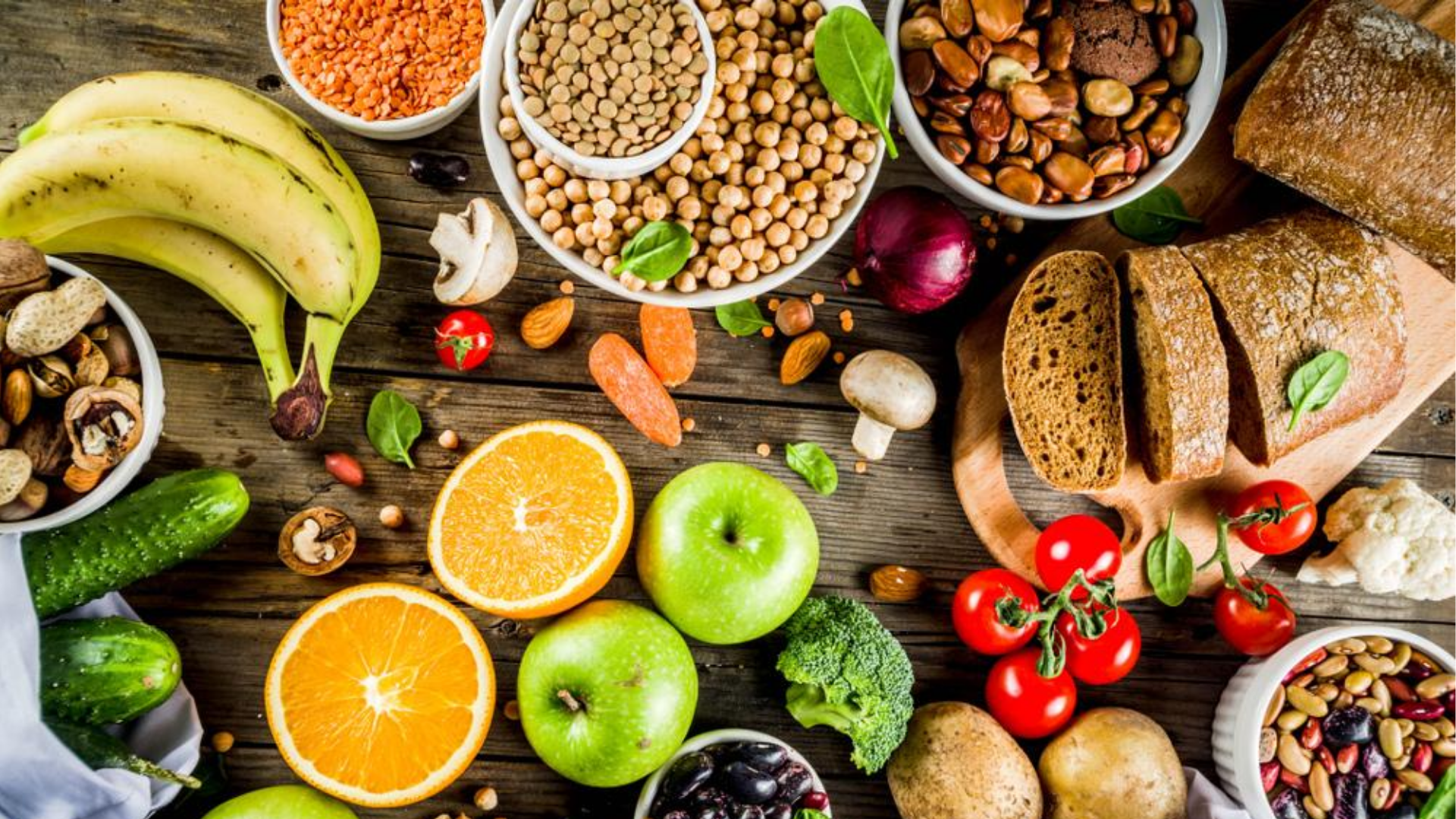
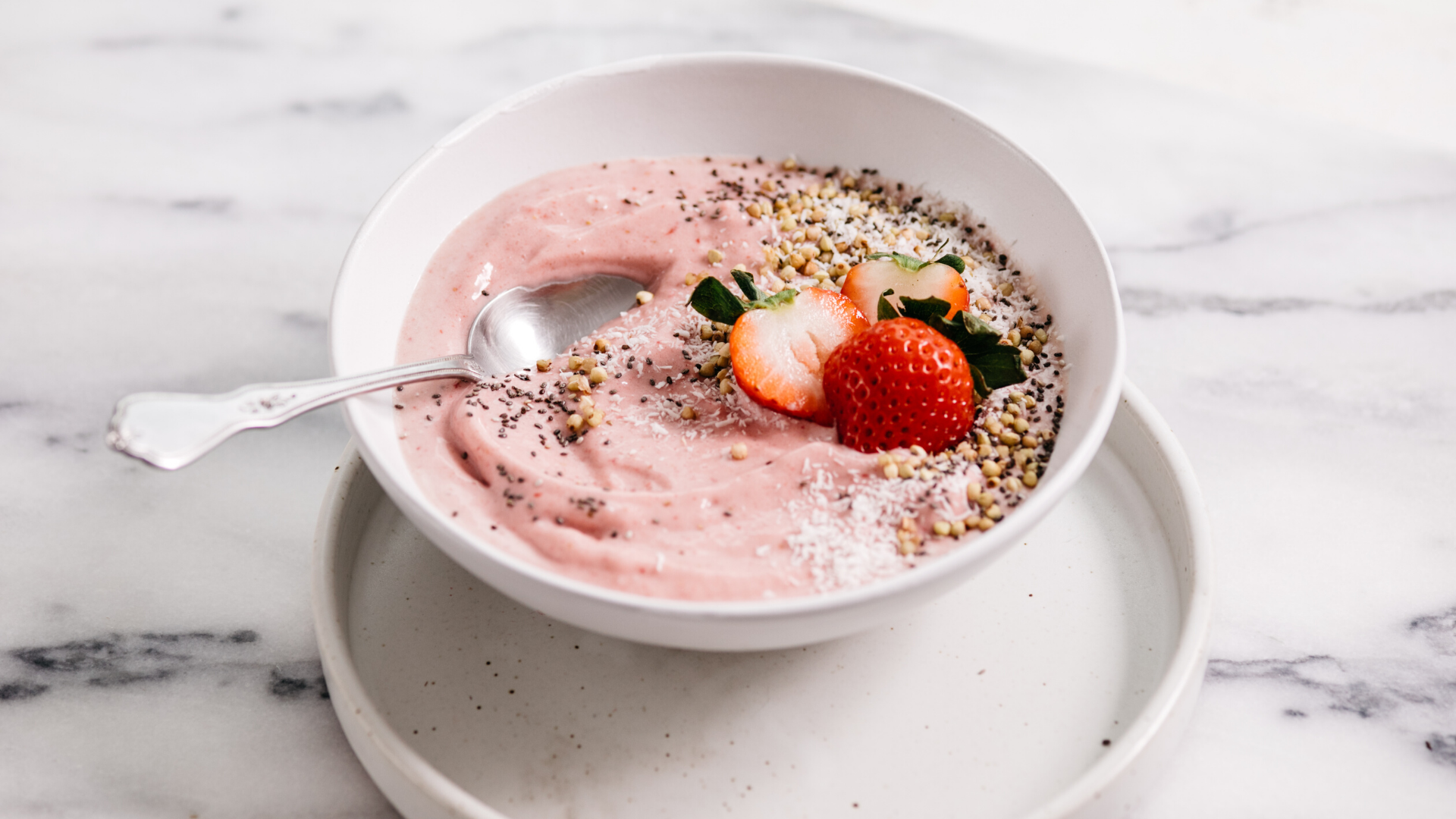
Dietary fiber found in whole foods like whole grains, veggies, and fruit is a key nutrient that provides bulk and subsistence to our meals. It slows digestion and increases feelings of fullness while also helping to balance blood sugar to curb cravings. Fiber-rich foods are digested at a slower rate compared to highly processed forms, which are stripped of their nutrients. Fiber intake can be increased by incorporating veggies at each meal and swapping processed snack foods for fresh fruit.
Tip 3: Aim to avoid processed carbohydrates, including refined sugar
Heavily processed foods with little nutritional value (i.e. french fries, potato chips, baked goods, and candy) are major gut health disruptors. In fact, these foods contribute to chronic inflammation in our body over time, which can become problematic for fat loss since gut health is essential to metabolic efficiency. Swapping processed carbs and hydrogenated oils for whole, unprocessed quality foods is important for ensuring efficient uptake of macronutrients within the body. Not only do whole foods contain plenty of dietary fiber for appetite control, but they are rich in antioxidants (vitamins and minerals) which help to lower inflammation and optimize fat burning capability within the body [1].

How do functional movement and HIIT burn more calories?
At F45, we combine a few techniques in order for our members to get the most out of their training. Our movements are functional, meaning that the movement patterns can mimic moves that we perform in our daily lives (such as bending down and picking up something heavy off the floor, climbing those steep steps on your hike, or lifting something over your head to put on a high shelf), and our format is HIIT (high-intensity interval training). We provide a combination of cardio and resistance training so you can get a balanced, full-body workout with maximum time efficiency. The benefits of combining these systems can include:
- Increased muscle growth and neural adaptation
- Reductions in fat mass and blood pressure
- Increases in bone mineral density, which can help reduce the risk of osteoporosis and fractures
- Significant impacts on mental health outcomes, specifically reductions in anxiety and depression symptoms, improvements in sleep quality, and self-esteem
High-intensity interval training (HIIT) allows participants to maintain high-intensity exercise for longer periods of time than during continuous exercise. This type of training has been shown to lead to greater improvements in aerobic fitness and body composition when compared to moderate steady-state workouts. HIIT workouts have also been shown to come out on top when it comes to burning more calories and increasing post-exercise fat oxidation and energy expenditure, compared to steady-state exercise.
Better still, functional training can be done by virtually anybody, and the benefit of being in one of our studios is being part of an inclusive community as you work towards your fitness goals. Our trainers are well-versed in supporting members—no matter their starting point—and tailoring the movements to their capabilities. Our sessions are optimized for those who are limited on time and don’t want to have to think about programming their own workouts. You simply turn up, and in 45 minutes we’ll have you in and out the door feeling energized, ready to tackle your day, and just a little sweaty!
How to adjust your calorie intake based on your workout regime
Every F45 Challenge member is unique, with different energy requirements and goals. The Challenge meal plans are based on 1300 calories per day for females and 1900 calories per day for males. These meal plans are set at a calorie baseline and will likely need to be adjusted depending on individual energy requirements. On your F45 Challenge Dashboard, there is a calorie calculator that can be used to estimate your individual daily energy (calorie) requirements. It’s recommended to familiarize yourself with the calorie calculator, as you may need to add or subtract food from the provided meal plan depending on your recommended TDEE (total daily energy expenditure).
First, the calorie calculator will provide your BMR, which is based on your gender, body weight and height. This is the amount of energy or calories that your body requires at rest to keep you functioning. Next, you’ll input your weekly exercise level, which allows the calculator to determine your specific number of ‘maintenance calories.’ This is the amount of energy your body requires to maintain your current body weight while taking into account activity level.
If your personal goal throughout the F45 Challenge is to maintain your current body weight, then the ‘maintenance calories’ are your daily caloric target along with your existing F45 routine.
For example, a female with estimated maintenance calories at 2000 calories per day would need to add an additional 700 calories to the F45 Challenge meal plan (1300 baseline calories + 700 = a 2000 calorie maintenance target).

However, if your goal is to lose body fat or increase muscle mass, you will need to adjust your calories a few times throughout the Challenge so that you can best support your body, health and goals. Below is a step-by-step process of how we recommend doing this across the phases of the Challenge:
SPRING TRAINING (10 days)
Weeks 1 and 2 focus on setting up the foundations to help you succeed. The meal plan in these two weeks focuses on primarily lean protein and high vegetable intake as you adjust to a calorie deficit. Focus on body fat loss during this time by creating a calorie deficit.
A moderate calorie deficit of 250-500 calories per day is a more sustainable and realistic amount to aim for, as opposed to a dramatic decrease in calories. It is important to focus on habits that will be sustainable for you long-term.
To create this calorie deficit, all you need to do is subtract 250-500 calories from your calculated maintenance calories. For example, a female with a maintenance calorie requirement of 2000 calories might aim to consume 1500 calories per day during the first two weeks of the Challenge to achieve a caloric deficit for weight loss.
REGULAR SEASON (10 days)
Weeks 3 and 4 of the Challenge shift the focus to learning more about the role of macronutrients in your body. You may have adjusted to your caloric deficit and already lost some weight, so it is time to revisit the calorie calculator to see if your energy requirements have changed (when you lose body weight, your maintenance calories will slightly reduce). Continue with a calorie deficit as above, aiming for 250-500 calories deficit per day for body fat loss, while ensuring you eat well around your training sessions to maximise your performance and results.
CHAMPIONSHIP ROUNDS (10 days)
After a four-week caloric deficit, it’s time to bring those calories back up again to help your body to build muscle mass! The body requires additional energy to be able to build muscle mass. Extra energy will also allow you to consume more micronutrients to support recovery and gut health. Revisit the calorie calculator on your dashboard, and add 250-500 calories to your maintenance calories. For example, a female whose maintenance energy requirements are 2000 calories per day, would need to add 250-500 calories to her daily energy intake during this phase.
If your goal is to simply increase strength without increasing muscle size/mass, then you may not need a surplus of calories. Instead, aim to continue your weight loss or increase your calorie intake to around maintenance calories at this stage to help you maximise your F45 Training sessions.
WORLD SERIES (15 days)
Continue with your progress as above. Use the calorie calculator to work out your maintenance calories to help you maintain your results.
How do I add additional calories to the meal plan as needed?
If you have calculated that you need to add additional calories to the meal plan to suit your individual requirements, we have created a convenient Calorie Guide for you to be able to do so. Simply choose food from the below options that matches your additional calorie needs. For example, if you are a female aiming to consume 1500 calories per day, then you could use the guide to add two slices of whole-grain bread to the F45 meal plan, which would bring your intake up from 1300 calories to 1500 calories.