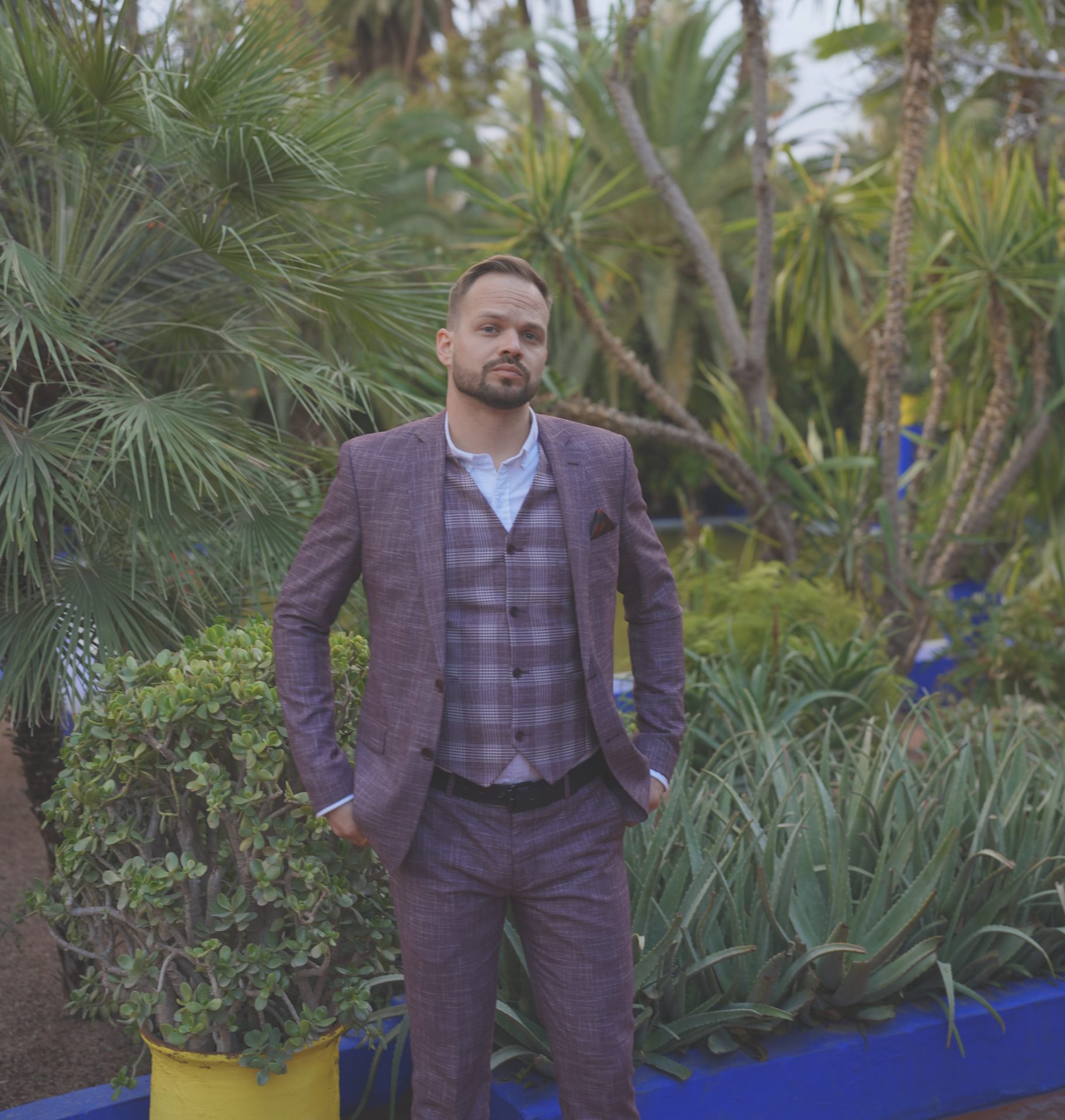
In our partnership with Battle Cancer we sat down with Tamas Martin, Consultant in Medical Oncology and Uro-oncology, to get the clinical perspective on one of the questions we care most about: how the way we live — how we move, eat, and recover — shapes our long-term health.
The answers might surprise you. From truth behind the “healthy lifestyle = no cancer” myth, Tamas cuts through the noise with evidence-based insight and refreshingly honest advice.
Read on for the full Q&A.
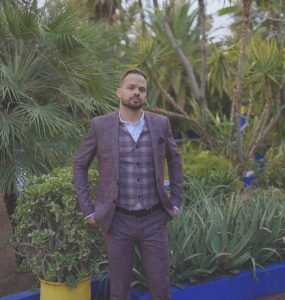
2. Exercise, Strength Training & Cancer Risk
F45 Training: From a medical perspective, how important are lifestyle factors like nutrition and exercise in reducing long-term cancer risk?
Tamas Martin: Generally, it is important to maintain a healthy and balanced diet and do regular physical exercise to maintain body weight and muscle mass. It relates to reduced relapse rates in most cancers, but we only have strong evidence in colorectal cancer. In some cases, we can see that physical exercise can reduce recurrence risk more than adjuvant treatments.
F45 Training: What are the biggest misconceptions you see around cancer prevention and “healthy living”?
Tamas Martin: ‘Stress causes cancer’: there is no proven direct connection between chronic stress and higher risk of cancer.
Tamas Martin: ‘Healthy lifestyle =no cancer and unhealthy lifestyle causes cancer’. Healthy lifestyle can reduce the risk of developing cancer, but it won’t reduce it to zero. Also, if someone is smoking, having an unhealthy diet, and does not exercise, they have a higher chance of developing cancer, but it is not 100%. There are more factors behind cancer: genetic factors, lifestyle, environmental factors…
F45 Training: What does the research say about regular exercise and its impact on cancer risk or outcomes?
Tamas Martin: Last year CHALLENGE trial proved that regular, planned physical exercise (for at least 3 years) in stage II-III colorectal cancer significantly reduces the risk of recurrence and death from colorectal cancer after adjuvant chemotherapy, compared to the group who had no or sporadic exercise.
F45 Training: Is there a difference between cardio-only exercise and resistance training when it comes to overall health and disease prevention?
Tamas Martin: Yes, resistance training is important, as it helps maintain and grow skeletal muscle, which is necessary to maintain an active lifestyle. It helps prevent falls and keep us independent longer. There are theories that bigger skeletal muscle mass can reduce insulin levels (which is a growth factor for cells. Another theory is that bigger muscle mass competes more for energy, and the cancer cells get less, so it can reduce activity in cancer cells.
F45 Training: Why is building and maintaining muscle important as we age—not just for aesthetics, but for metabolic and cellular health?
Tamas Martin: Muscle cells play an important role in blood sugar regulation, with high intake of sugar, and reducing insulin surge and resistance too. It can help prevent metabolic diseases like diabetes.
3. Nutrition, Muscle & Metabolic Health
F45 Training: Are there specific dietary patterns you commonly recommend for supporting long-term health and reducing chronic disease risk?
Tamas Martin: What I usually recommend to my patients as well: a balanced diet, containing mostly vegetables and fruits, meat, fish, and carbohydrates. Try to cook at home from good quality ingredients, minimizing ultra-processed foods.
F45 Training: What role does ultra-processed food play in inflammation and cancer risk, based on what we currently know?
Tamas Martin: As it contains high additive content and low fiber, it increases bowel inflammation, disrupt microbiome which itself can lead to constipation and changes in bowel habit. Higher inflammation in the bowel leads to increased risk of inflammatory bowel diseases and bowel cancer.
F45 Training: Is it more important to focus on what we add to our diet rather than what we restrict?
Tamas Martin: Both are important, reducing ultra processed food, smoked, low nutritious value foods, and increasing good quality foods such as: vegetables, fruits, fish, fibers, nuts.
4. Overall Advice:
F45 Training: If someone works out regularly but hasn’t focused much on nutrition, what’s the first realistic change you’d recommend?
Tamas Martin: Try to measure and log your meals; it will help adjust it in the long run. Focus on a balanced diet and adjust slowly, as big changes usually won’t last.
F45 Training: What’s one small, sustainable habit people could start today that would have the biggest impact on their health 10 years from now?
Tamas Martin: Start exercising regularly, choose a sport that you enjoy, it is much easier to do that for long term. Stop smoking, and in 10 years the risk of developing lung or bladder cancer will be the same as in never-smokers.
F45 Training: How do you personally think about movement, nutrition, and longevity in your own life?
Tamas Martin: It is part of my daily routine; it helps me feel better and more focused. With proper overall nutrition, I am more energetic and can afford to have a snack or sweets some days. For me both exercise and a nutritious meal are joyful.
F45 Training: If you could recommend just three evidence-based lifestyle habits that most positively impact long-term health, what would they be—and why?
Tamas Martin: 1. Regular physical exercise: helps regulating metabolism, increase mental and physical health, helps with sleep. 2. Regular social gatherings: time spent with friends reduces isolation, stress level, proved to help live longer. The activities we do in a group are more likely that we do longer. 3. Good quality and quantity sleep: Proper rest is needed for physical, metal and psychological recovery.
To learn more about the F45 Training | Battle Cancer partnership visit https://f45training.com/battlecancer/